Programs & Initiatives
To preserve, promote, and advance Tibetan and Himalayan cultural heritage — including language preservation and revitalization — through technology, education, the arts, and community programs. Within it, we concentrate on three commitments.
Building on more than a decade of our founder's independent work, previously supported by the Shelley & Donald Rubin Foundation, the Tsadra Foundation, and The Tibet Fund.
Three commitments
A deliberate, decade-long focus. This is where the Foundation concentrates its energy and seeks its funding.
1
Make reading and writing Tibetan beautiful and effortless
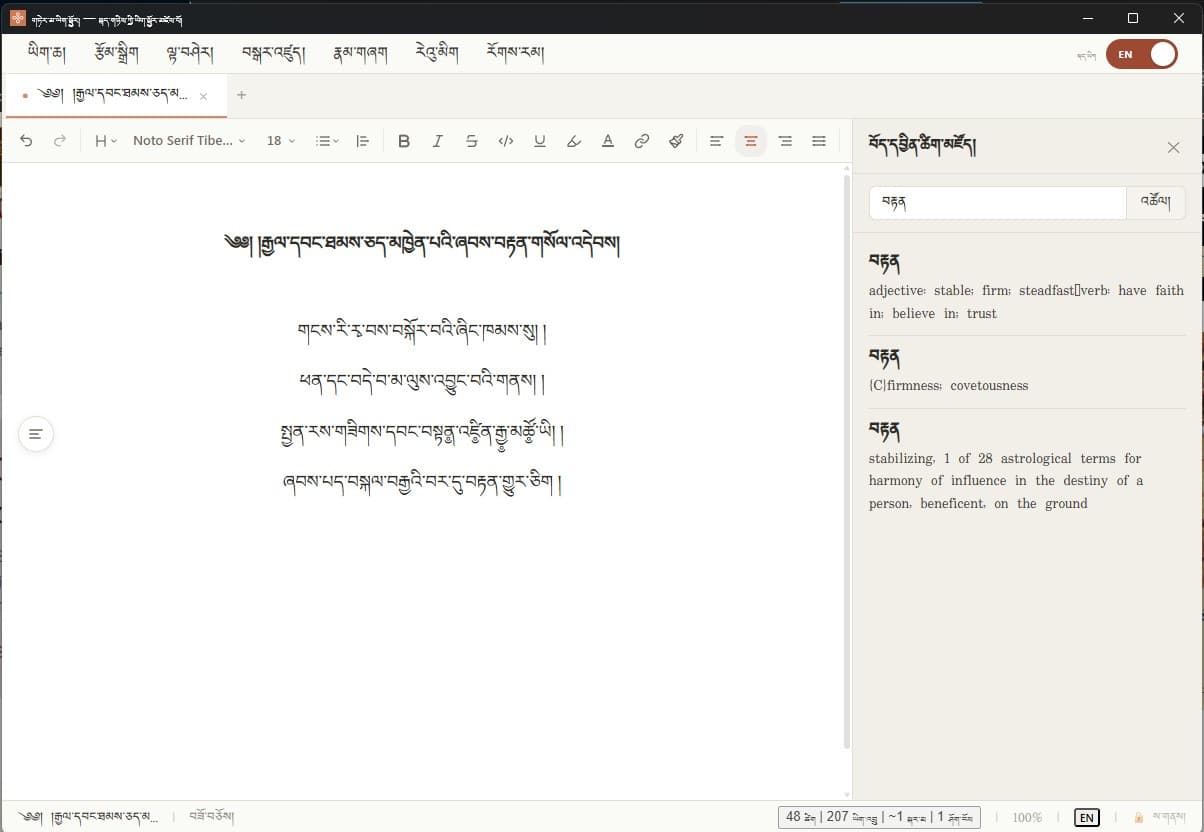
A Tibetan font engine and type library — including typefaces for children and fonts that preserve the living hands of master calligraphers — together with a writing environment that does not merely allow typing but actively helps people write.
2
Make children want the language
Games, animations, music, and playful learning, built to meet children where they already are. A language survives when children choose it in the hours that belong to them.
3
Keep the living lineages alive through apprenticeship
Some knowledge cannot be digitized — it passes only from person to person. Masters paired with young students: the dranyen, the calligrapher's hand, the sacred proportions of a thangka.
Available now
Apps you can use today
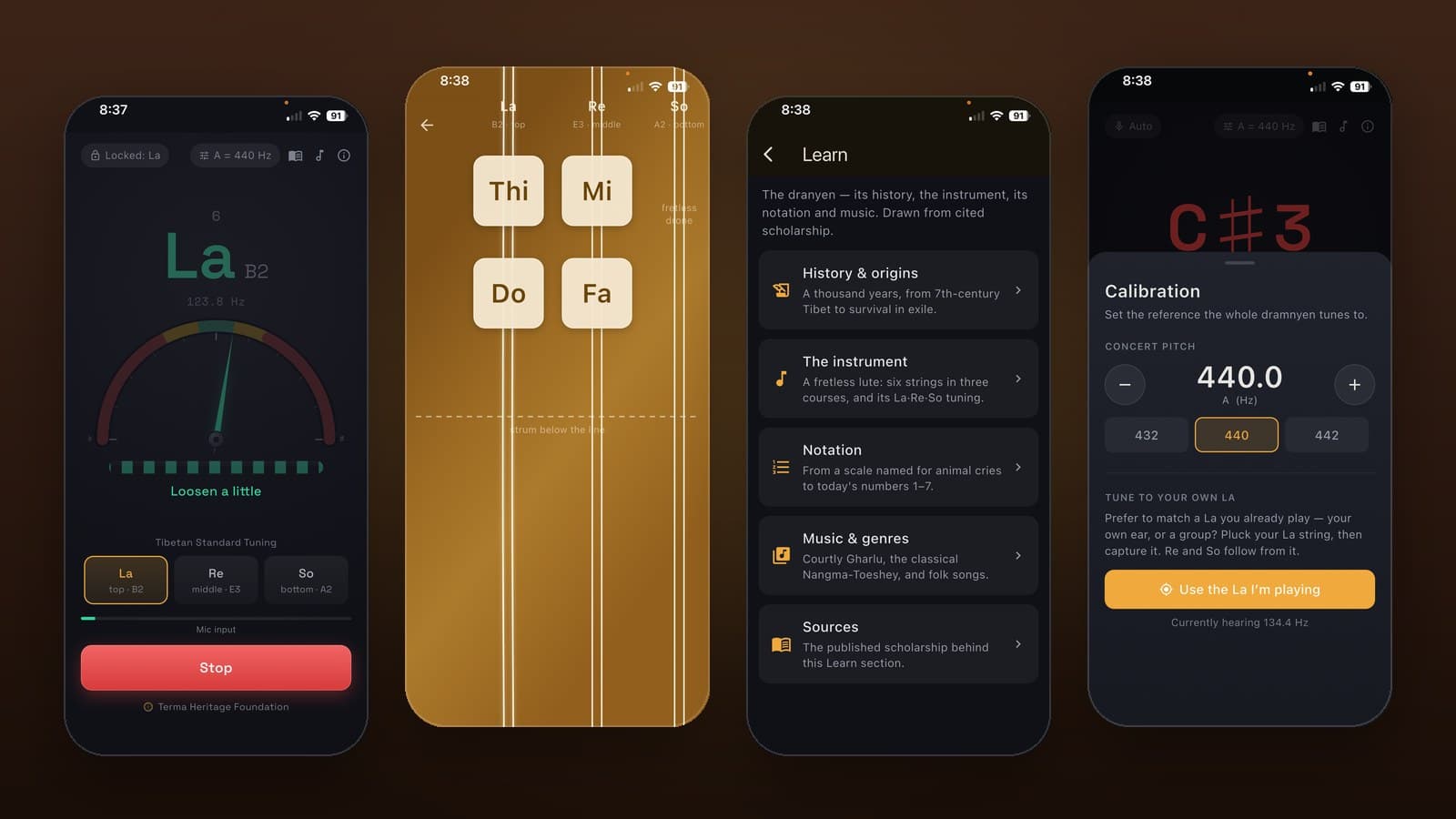
Free, offline, and built for the community — both are published and ready to download.
Commitment 2
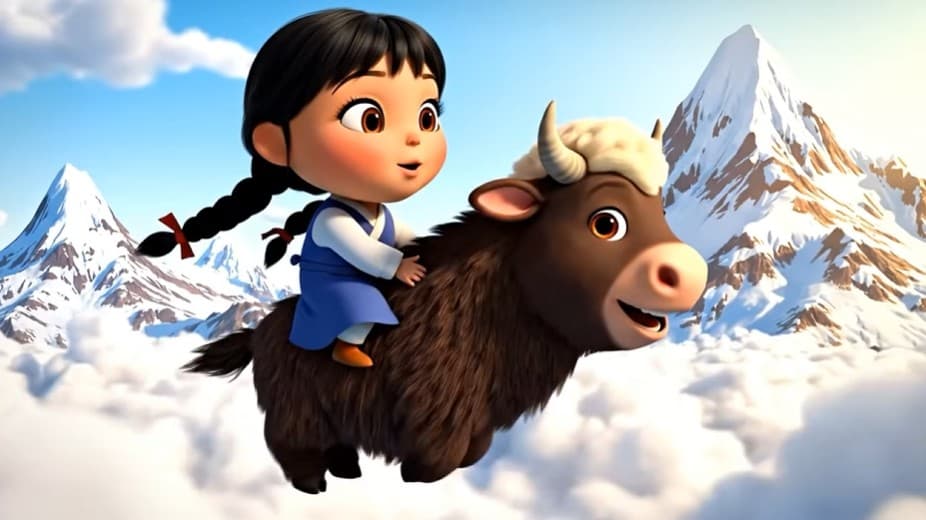
Make children want the language
A language survives when children choose it in the hours that belong to them. Songs they want to sing, games they want to play.

Commitment 3
Keep the living lineages alive through apprenticeship
The first new initiative we will launch when funding arrives. The masters are willing, the students are waiting, and the design is ready.

Living culture
Culture as something lived, not stored
Tibetan opera, dance, and music survive only where they are performed and taught — and a community stays a community by gathering.


Track record
What we rescued before the tape gave out
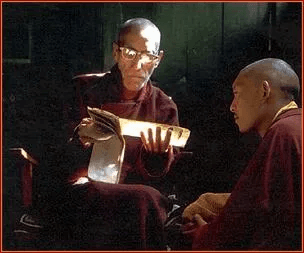
Recordings recovered from decaying analog originals and delivered for permanent institutional preservation.
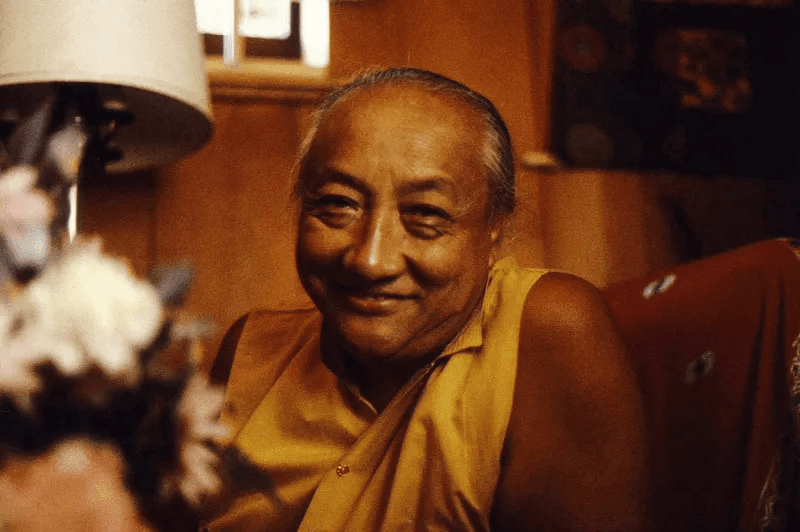
What all of this has actually produced — recordings rescued, texts digitized, workbooks printed, children reached — is set out with the numbers and the testimony behind them.
See our impactMore free tools
Smaller tools and platforms, all free and open to anyone.
TermaFoundryThe free web toolkit for working in Tibetan — in any browser, no install.Live
Tibetan LibraryA free home for Tibetan literature, scripture, and memory — open to anyone, anywhere.Live
ChittaRead classical Buddhist texts with confidence — translation, commentary, and pronunciation in one place.Live
GamchungAmplifying Tibetan voices in digital media.Live
The wider frame
Four pillars
The work moves along four pillars — rescue and digitize, build infrastructure, nurture the next generation, sustain living culture. The three commitments above are where the Foundation concentrates its energy and seeks its funding.
Pillar 1
Rescue & Digitize
Recovering recordings, manuscripts, and oral histories before the elders who hold them pass and the originals decay.
Pillar 2
Build Infrastructure
Creating the tools communities need to read, write, and study in their own script — because the Tibetan internet does not yet work the way it should.
Pillar 3
Nurture the Next Generation
Making Tibetan joyful for children, so the language survives in the mouths of the young — not only in archives.
Pillar 4
Sustain Living Culture
Keeping Tibetan culture vibrant as a living tradition — through elders, artists, and the gatherings that hold a community together.
Partner With Us
Nearly all of this was built without institutional funding. If you see work that matters to you — as a funder, a collaborator, or a community leader — we would love to hear from you.